Category: Amanda Hochman ND

  • Fig and Pear Tart

    Fig and Pear Tart

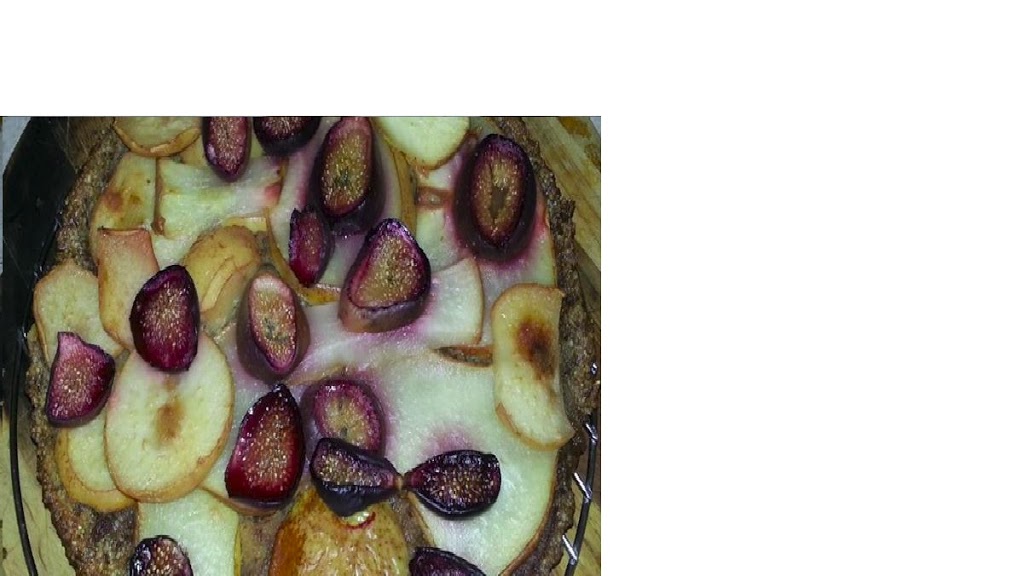
    Today our recipe is for a pear and fig tart. With the crispness which has crept into the morning air I have been reminded of autumn in western New York.  Fall foliage colored in reds, orange and yellow.  The air scented with cider donuts, apples and spices including cinnamon and clove.  It used to be apples that heralded the change of the seasons, but here in southern Oregon, I suspect that it is figs and pears that mark this transition from the growing time to the harvest time.  

         The crust for the tart was sweet and crumbly, and may be my favorite part with the addition of cinnamon, cloves, a dash of nutmeg, or what ever flavors you and your family enjoys.  The crust for this tart is so good I have already made it twice in the past few weeks.  Though each were slightly different, initially being made with pears and topped with a plum- berry sauce.  Most recently with figs and no extra sauce or jam.  The pears were collected locally along with the figs used in this weeks version.  The crust was inspired by this one at My little sweet desire.
    When trying to  limit dietary allergens whether they be anaphylaxis, also referred to as type one hypersensitivity, or delayed type of type four hypersensitivity, it can be frustrating with the lack of choices or feeling that one has to settle for sub par tasting food in an attempts to feel well.  I apologize if nuts are your sensitivity, unfortunately this recipe is not a good choice you.  If you try it with a different flour and have a success, please let me know. It is always helpful to know if multiple flours produce a satisfactory end product.
    Ingredients:
    1/3 cup coconut sugar
    1/4 cup coconut oil
    1 cup almond flour
    1/4 teaspoon ground cinnamon
    1/4 teaspoon ground clove
    2 tablespoons corn flour
    4 small firm pears
    5 small figs
    Preheat the oven to 350 degrees Ferinheight.  Cream together coconut oil and sugar with a pie cutter or a fork.  When well combined add the remaining dry ingredients.   Press the crust into a greased 8 inch tart pan. The crust can be sticky so having a dish of water to hand to keep your fingers moist can be helpful. Place the pears and fig slices on top of the crust.  At this point they can be dusted again with ground cinnamon and clove. The pears and fig can easily be arranged in a more uniform orientation for a prettier picture.  Bake for 30-35 minutes or until the top edge of the crust is a golden brown.  Let the tart cool on the stove top for 15  minutes before removing the tart base from the side ring and resting on a cooling rack for at least another 15 minutes.
    In Health,
    Dr Amanda Hochman
    Photo
  • 4 Apps that Make Eating Well Easy

    4 Apps that Make Eating Well Easy

         Eating well used to mean simply choosing produce over red meat, or limiting sugar or salt intake.  In today’s world, making healthy food choices does not always feel so easy.  Fortunately, with the rise in portable technologies, there are an ever increasing number of mobile applications to help individuals make better food choices.  Frequently I can be seen in the grocery store using my phone to consult with my favorite apps.  Today I am sharing my most used food apps with you.

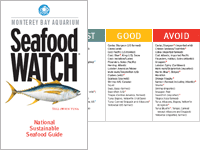
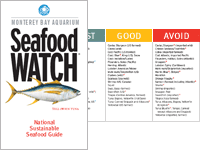
    Monterey Bay Aquarium safe fish list.  This easy to read guide is broken down into “safe”, “avoid”, and “good” fish options.  The list is not only available online, but as an app, and as a handy wallet card for those who are less techie.  Fish on this list are rated based on sustainable fishing practices and not on heavy metal or pesticide content of the fish.
    Seafood Watch Pocket Guide

    Fish4Health from Purdue University provides the heavy metal and pesticide data that Monterey Bay Aquarium dos not have.  The information is particularly useful for women who may become or are pregnant, and children from 2-6 years of age.  This is another app which is new to me, but features such as a log to keep track of omega 3, polychlorinated biphenols (PCBs) and mercury intake, along with recipes, it is likely to be getting a lot of use both at the grocery store and at home.

    Cover artEnvironmental Working Groups Dirty Dozen:   As the name of this app suggests, this is a list of produce that are sprayed with herbicides or pesticides.  Foods that show up on this list should be organic or no spray, conventionally grown produce from this list should be avoided.
    Environmental Working Groups Clean 15:  This is an annually updated list of the 15 foods least likely to be sprayed with herbicides and pesticides.  The list is available online or as a printed card, unfortunately there is not an app for this list,  though it would be helpful.

    My newest favorite:  CSPI’s Chemical Cuisine.  The Center for Science in Public Interest, a support public health research, and public health policy.  This app is a list of food additives broken down into groups of “safe”, “cut back”, “avoid”, “caution”, or “avoid by some groups”.  Having a list like this is helpful when trying to understand what is in the ingredient lists of prepared foods.  

    In Health,
    Dr Amanda Hochman
    Photo
  • 5 Reasons to include a wellness exam for your child before school starts


    Now that we have arrived the middle of August, and summer is drawing to a close.  Families are planning the seasons last trips to the coast at Brookings in Southern Oregon or Crescent City in Northern California or maybe it is camping along the to the Rogue River.  This is also the beginning of annual preparations for the return to school for many families.  Between purchasing new clothes, shoes, technology, or other staples such as pencils and erasers, scheduling your child for a wellness exam may be neglected.

    Many individuals ask what is the benefit of scheduling an appointment with your child’s  primary care provider if they are not ill.  This is a good time to develop a rapport with your child’s provider, as wellness exams may be given a longer visit length than problem focused visits.

    1) This is a good time to ask questions of your child’s pediatric provider about educational or developmental assessment, if you, your child or their teachers have had concerns.  This is also a good time to initiate new therapies to help ease the transition from summer break to school.  Wellness visits are also time to ask questions or obtain information, below are  5 things you can ask your provider at your child’s next wellness exam include.

    arms,athletes,balls,games,hands,leisure,men,persons,photographs,recreation,soccer,soccer balls,soccer players,sports,sports equipment,teams,uniforms2) Through the course of a wellness exam your child’s fitness for sports participation and relevant forms filled out.  It is important for your child to be healthy to participate in sports.  Additionally, this is time where preventative therapies for injury prevention can be shared to ensure that your child has a healthy and injury free sports season.

    3) Take time to update your child’s family medical history if parents, grandparents or sibling have received new medical diagnoses’ in the past year.  This ensures that your child has the appropriate and relevant screening tests or interventions if there is a predisposition for heritable conditions in your family.

    4)  Vaccinations for school age children. The CDC recommends a booster for measles, mumps rubella.  There is also a 3 dose vaccine gardasil, Hepatitis B for children who did not receive the vaccination series during the first year of life, and a booster for diphtheria, tetanus, pertussis vaccine.  For resources on the current rates of vaccine preventable diseases in the state of Oregon click on the link.

    5)   Talking about sex and drugs may be difficult to initiate at home.  Your child’s physician can be used as a resource for accurate information about risks associated with these behaviors as well as ways to address concerns if they are present.

    In Health,
    Dr Amanda Hochman
    Photo
  • Chocolate Chip Cookies

     So what do you do on a summer day in Southern Oregon when you have to stay in the house as a result of poor air quality from forest fires?  Well, since it has been cool enough to turn on the oven, I thought cookies sounded like a good idea.  Moons ago, I was blessed with a few bags of chickpea flour, also know as besan or gram flour.  This legume flour is high in protein, and low glycemic index.  When paired with a seed these cookies not only taste great, but are a complete protein source as well, which makes them great to take as a snack with fruit and nuts when hiking or adventuring in the Rogue Valley or checking out a play in Ashland or music in Jacksonville.  If those attributes were not enough to convince you to try this recipe, they are also gluten free, vegan and paleo friendly!
    One of the great aspects of this recipe is that if you too have fond memories of eating cookie batter before it has made it into the oven, this batter will surely break you of the habit.  It has to be one of the worst tasting batters I have ever tried.  It is amazing the wonders of heat and time in there ability to transform the batter into some of the best chocolate chip cookies I have ever baked.

    Ingredients

    1 flax egg
    1 and 1/4  cup chickpea flour
    1/2 cup sugar ( I used coconut)
    1/2 tsp baking soda
    1/2 tsp xanthum gum
    1/2 tsp ground cinnamon
    1/2 tsp ground clove
    1/2 cup semi sweet chocolate chips ( carob, coconut nibs or even butterscotch can be substituted)
    1/2 cup butter
    2 tbsp milk or your favorite substitute

    Directions:

    Preheat oven to 375 F

    Grease cookie sheets

    Sift together dry ingredients and set aside.
    Cream sugar and butter.  When well combined switch to a whisk and beat until fluffy, continue beating while adding the milk and flax egg.
    With out over mixing, combine the dry ingredients with the wet, before adding the chocolate chips.
    Using 2 teaspoons, scoop out rounded teaspoon size balls onto the greased cookie sheet.
    Bake until the edges are lightly golden brown approximately 8-9 minutes.
    Remove from oven and gently transfer to a cooling rack after letting the cookies rest for 1-2 minutes on the baking sheet.

    In Health,
    Dr Amanda Hochman
    Photo
  • Flax Pesto Potato Salad

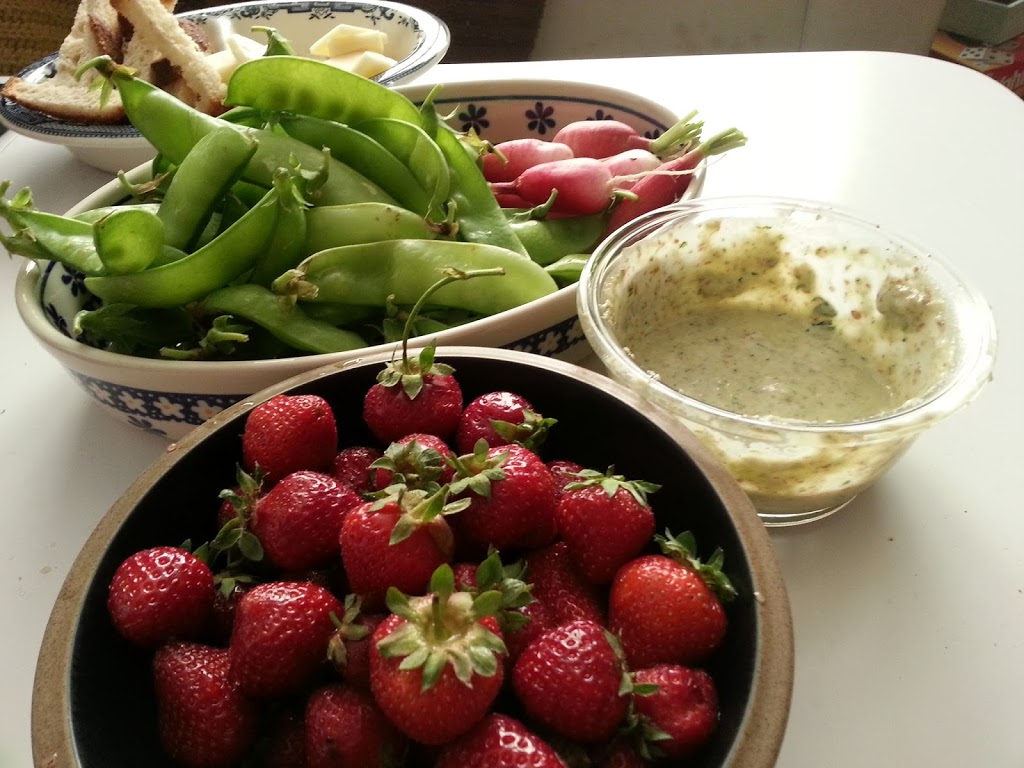
    Here in the Rogue Valley of Southern Oregon, as well as in other parts of the country the CSA boxes as of late have been brimming with beautiful vegetables. So much so that beets, and cucumbers went into a quinoa tabbouleh, flax pesto with fingerling potato salad, and the salad greens were again the soup though this time they were paired with miso and ginger rather than vegetable bullion.   The weather has been so hot in the evenings that there has been smaller than usual appetites and a bit less desire to turn on the oven.  Fortunately on Sunday I had a day of divine inspiration in the kitchen.  Having a bowl full of flax pesto sitting in the fridge just asking to be combined with fingerling potatoes in a mayonnaise less potato salad.

    Flax Pesto:

    1/4 cup flax – freshly ground
    1 + 1/2 cup fresh basil
    1/4 cup extra virgin olive oil
    3 cloves of garlic peeled
    1/2 teaspoon salt
    1/2 teaspoon freshly ground black pepper
    zest from 1 lemon
    juice 1/2 lemon

    Combine all ingredients into a blender or food processor.  Blitz until thoroughly combined.

    For the Potato Salad

    1 pound of fingerling potatos cut into 1 inch pieces
    1/2 cup cooked quinoa
    1/8 cup sour cream or tofutti
    1/4 cup flax pesto
    1/4 cup cottage cheese ( can be omitted)
    1/2 teaspoon salt
    1/2 teaspoon pepper
    greens from 3 scallions

    Boil the potatoes until fork tender.  Pour off the water and reserve for soup stocks.  Let the potatoes come to room temperature and combine the rest of the ingredients into a large bowel.  Stir to ensure that the potato pieces are well incorporated.  Enjoy right away or chilled for 60 + minutes.


    In Health,
    Dr Amanda Hochman
    Naturopathic Physician at All Paths Naturopathy & Midwifery LLC
    Photo

  • Current rates of vaccine preventable diseases

    This is not a piece about whether or not families should choose to vaccinate or not. Instead, it is a review of the current rates of diseases that vaccines are designed to protect against.  From a public health stand point, vaccines are designed to protect individuals through a direct immune response to the viruses and bacterium contained within the inoculation,  but also via herd immunity.  The theory that through high rates of vaccination, those who are unable to be vaccinated due to age, being immune compromised, or previous adverse reaction are also protected from the wild type viruses and bacteria.

    In a number of communities including Ashland here in the Rogue Valley of Southern Oregon, families are choosing no or significantly less vaccines.  Leading to less protection for vulnerable individuals because the herd immunity is not as effective, but also there is the risk that non-vaccinated individuals are also at risk for developing a vaccine preventable disease.  As a result, it is useful to know what communicable diseases are occurring in the Southern Oregon and surrounding regions so families can make informed choices that protect themselves as well as others from exposure to or illness resulting from a vaccine preventable diseases.

     According to the Oregon Health Authorities A Monthly Communicable Disease Surveillance Report for May 2013, there have been 154 cases of pertussis also referred to as whooping cough in the state with 4 of those cases occurring in Jackson County.  Additionally, there has been 1 case of tetanus reported as well.
    Farther from the Rogue Valley, in Seattle, there have been 2 confirmed cases of measles reported by Public Health- Seattle & King County in Washington state.  For individuals who may have been in Seattle or the surrounding areas July 9-10 visit Public Health website for Seattle & King County for more information.

    In Health,
    Dr Amanda Hochman
    Naturopathic Physician at All Paths Naturopathy & Midwifery LLC
    Photo
  • Lettuce pea soup

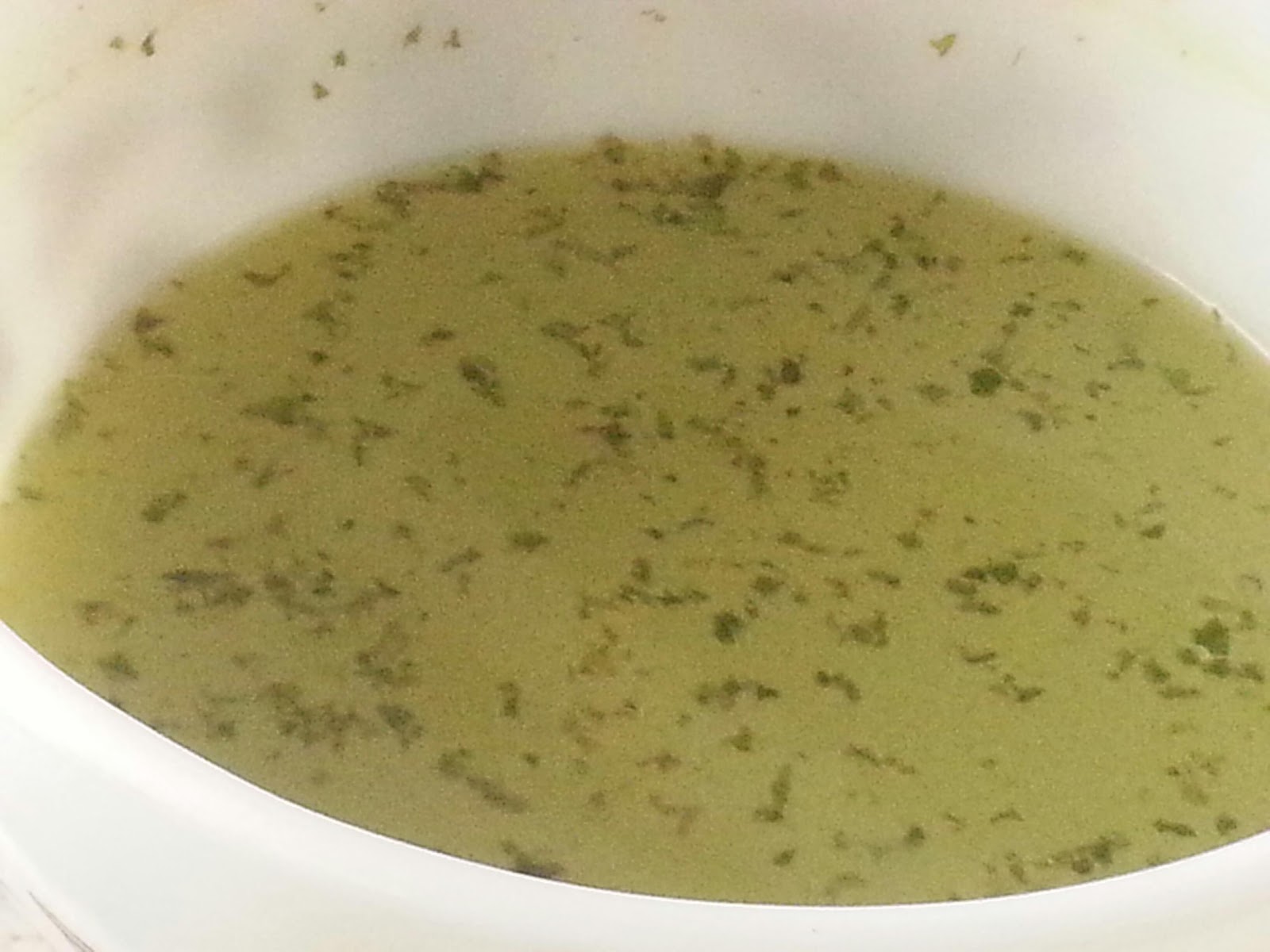
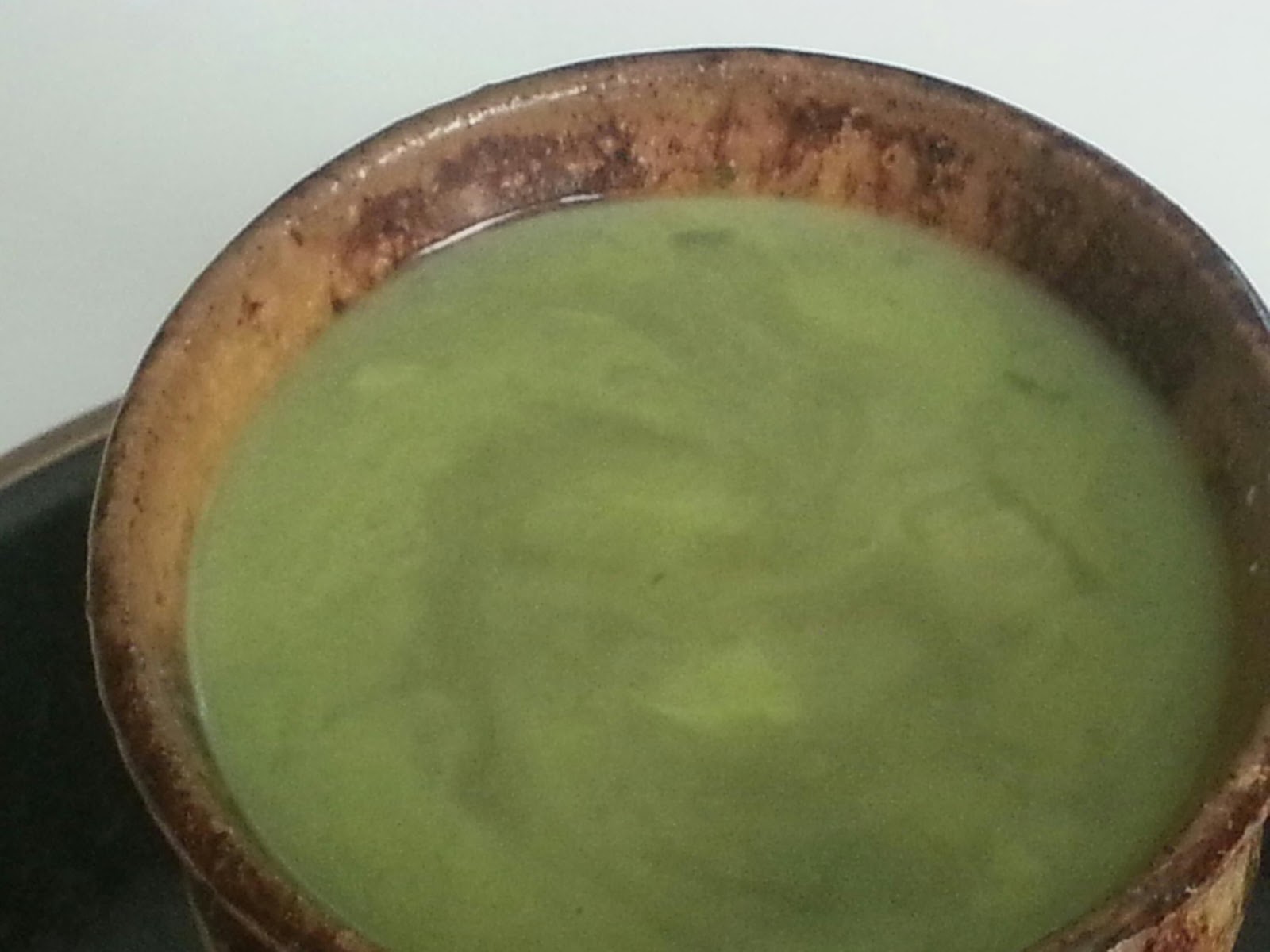
    The pictures of the soup do not bring out its beautiful green color, and I am sure that a few more peas would have not hurt either.  Yet, I had been pining for pea soup and had bags of lettuce sitting in the fridge and no desire to eat salad or much of anything, for that matter while the temperature had been in the upper 90’s.  With inspiration from a recipe I had seen on my search for a chilled pea soup, this little number came into being.  It was a perfect number now that the temperature has finally dropped to a more seasonable 80 degrees here in Southern Oregon, following the veritable heat wave.  It had been so hot, that the mere thought of even turning on the stove top was just unbearable so there would be no fresh made chicken stock for this soup base and we do not usually have boxed stock in the pantry hence, the use of the bullion cubes instead. The meal was also inspired by all of the beautiful summer small plates being served here in Ashland at some of our favorite establishments.

    Ingredients: 
    1 tablespoon butter or butter substitute of your choice
    1 cup onion diced
    1 /2 lb salad mix or torn head lettuce
    1 lb sugar peas shelled or whole with strings removed
    1.5 squares of low sodium vegetable bullion
    um vegetable bullion
    4 cups water, boiling
    Warm the onion with butter until the onions take on a golden hue in a sauce pan approximately 7 minutes.  Melt in the bullion cubes as the onions are cooking.  Add 4 cups of boiling water to the sauce pan.  Add the peas and simmer for 1 minute.  Turn off the heat and add the lettuce to the pan, stir gently until the lettuce is wilted.   Carefully transfer a portion of the mixture to a blender and blitz to incorporate.  Continue in this fashion until all of the soup has been blitzed and transferred to a storage container.  At this point you can either enjoy the soup now.  This soup is also good chilled or at room temperature.  To help chill the soup faster, I transferred portions to their serving bowls which were then placed in the fridge for 30 minutes.

    Fresh pea soup with lettuce after it has been chilled in the refrigerator.

    This soup paired beautifully with tomatoes filled with baba ganush and cucumber-turnip salad.

    In Health,
    Dr Amanda Hochman
    Naturopathic Physician at All Paths Naturopathy & Midwifery LLC
    Photo
  • Hepatitis A outbreak update.

    In an update from last weeks post regarding the Hepatitis A outbreak associated with Townsend frozen berries purchased at Costco stores.  It has been recently announced in the Oregon Live that Evo’s Coffee Lounge here in Ashland was until recently serving smoothies produced from the potentially contaminated Townsend Berries.  The Department of Health located at  1005 E. Main St., in Medford, and is open from 8:30 to 11:30 a.m. and from 1 to 4 p.m. For information, call the Department of Health offices at 541-774-8045.  Hepatitis A vaccines today may also be available at local pharmacies or for free at Costco for members.

    In Health,
    Dr Amanda Hochman
    Naturopathic Physician at All Paths Naturopathy & Midwifery LLC
    Photo
  • The Sun Shines On

    The sun shines on,
    Even in the darkest of times.
    Lighting the path,
    Illuminating the shadows
    We wait for you,
    We welcome you,
    We are blessed that you choose us.
    I open my heart to the possibility of you,
    That spark of potential nestled into the dark, quiet recesses of my being.
    Waiting and growing.
    Trying not to think of not seeing you soon.  Meeting the spirits who have chosen us,
    even after all these long years of waiting.  We have learned and made changes.
    So that we can do even better by you.
    No longer will our meetings be only in dreams.
    Soon my arms will be filled with your writhing, screaming perfect little body.
    At my breast you will be nourished as I share my very being with you.
    We come together to worship the fertile soil, the Mati Zera Zymlia from which we are nourished.
    As the fertile soil is renewed in the spring.  As flowers and fruits
    begin to proliferate, so too does the womb in which you grow.
    The living blood in my veins, used not just by one, but which now sustains us all for a time.
    That secret time between us.
    The space when you are unknown even to me.
    The time when others begin to notice,
    To start to wonder who you are.
    So many names you already have; inspired, teacher.
    Trial maker, for what we have been through in the waiting time is nothing compared to what is yet to come.  And with a love filled heart, we look forward to all the experiences and lessons you offer.
    You are loved and always have been.
    During the days when my heart felt ripped from its cage and crushed
    With the seemingly over whelming, all consuming pain at having lost you again.
    The realization that you were only visiting, not here to stay.
    Through the nights when we cried together, mourning you.
    There will be other times even after we meet, when tears of sadness are shed,
     yet there will also be the joy filled tears.
    Watching your adventures and explorations.
    The light illuminates even the darkest of spaces.
    Slowly the pieces shift, that which appeared to be and was immovable is never truly permanent.
    Not always with the desired speed, the transformation occurs.
    There is a crack in the glacier
    And urgent movements, the weight of sorrow falls
    Revealing vulnerable new surfaces.
    Not marred with pain and loss
    Free to feel love, joy
    To know the divine bliss completely.
    In healing,
    Amanda Hochman, N.D. 
  • Changes in the diagnosis of gestational diabetes and what you can do to change your risk

    Face made out of fruits and vegetables
    With the release of the American Diabetes Association changes in the guidelines for the diagnosis of gestational diabetes, many more women are likely to have this diagnosis.  This is due in part to recommendations to screen women for pre-existing diabetes that has yet to be diagnosed, as well as decreasing the cut off limits for women when they are screened between 24-28 weeks of pregnancy.  In addition, The American Diabetes Association is also recommending that women who were diagnosed with gestational diabetes be screened 6-12 weeks postpartum for diabetes type II.
    For some providers and pharmaceutical companies, these changes in diagnostic criteria mean more income through increased numbers of office visits and prescriptions for medications such as metformin.  For other providers, these changes mean more opportunity to educate and counsel patients regarding diet and lifestyle changes that will provide benefits both for mother and baby.

    It is already known that women who are diagnosed with gestational diabetes are at increased risk for developing type II diabetes in their lifetime, some research suggesting as much as a seven fold increased risk compared to pregnant mothers who were not diagnosed with gestational diabetes. Hospital based research performed by Kwak and colleagues found in their study of 370 women, 105 went on to be diagnosed with type II diabetes at 8 weeks postpartum, with another 80 being diagnosed within the first year. Additionally, their babies are also at increased risk for the development of type II diabetes.

    To help decrease the risk for developing diabetes mellitus following a diagnosis of gestational diabetes, breastfeeding appears to confer some protection to the mother.  This was seen in work performed by Jenum and colleagues who investigated the gestational diabetes rates in European Ethnic minorities who developed the disease even though they tended to be younger and have lower body mass index (BMI) compared to other Europeans.

    Here are 4 ways to reduce the risk for developing gestational diabetes:

    1.  Achieve and maintain a healthy BMI prior to pregnancy.  Women who are overweight or obese are at risk for impaired glucose regulation both in the pregnant and non pregnant states.

    2. Physical activity:  In pregnancy this does not have to mean training for a marathon level of physical activity.  Even a modest 15 minute walk can improve glucose metabolism to decrease risk.

    3.  Adopt a whole foods diet which includes minimal amounts of refined sugars.  Eating less processed foods provides increased amounts of dietary fiber which helps to stabilize blood sugar.

    4.  Increase protein from vegetable and nut sources while reducing protein intake from red meat.  Research published in Diabetes Care  found that by replacing 5% of protein from red meat with a 5% intake of protein from non-meat sources decreased the risk for developing gestational diabetes by approximately 50%.

    For more information please visit: www.all-paths.com, www.southernoregonbirthconnections.com

    In health and wellness.
    Dr Amanda Hochman, N.D.